Discover Bertha's Kitchen
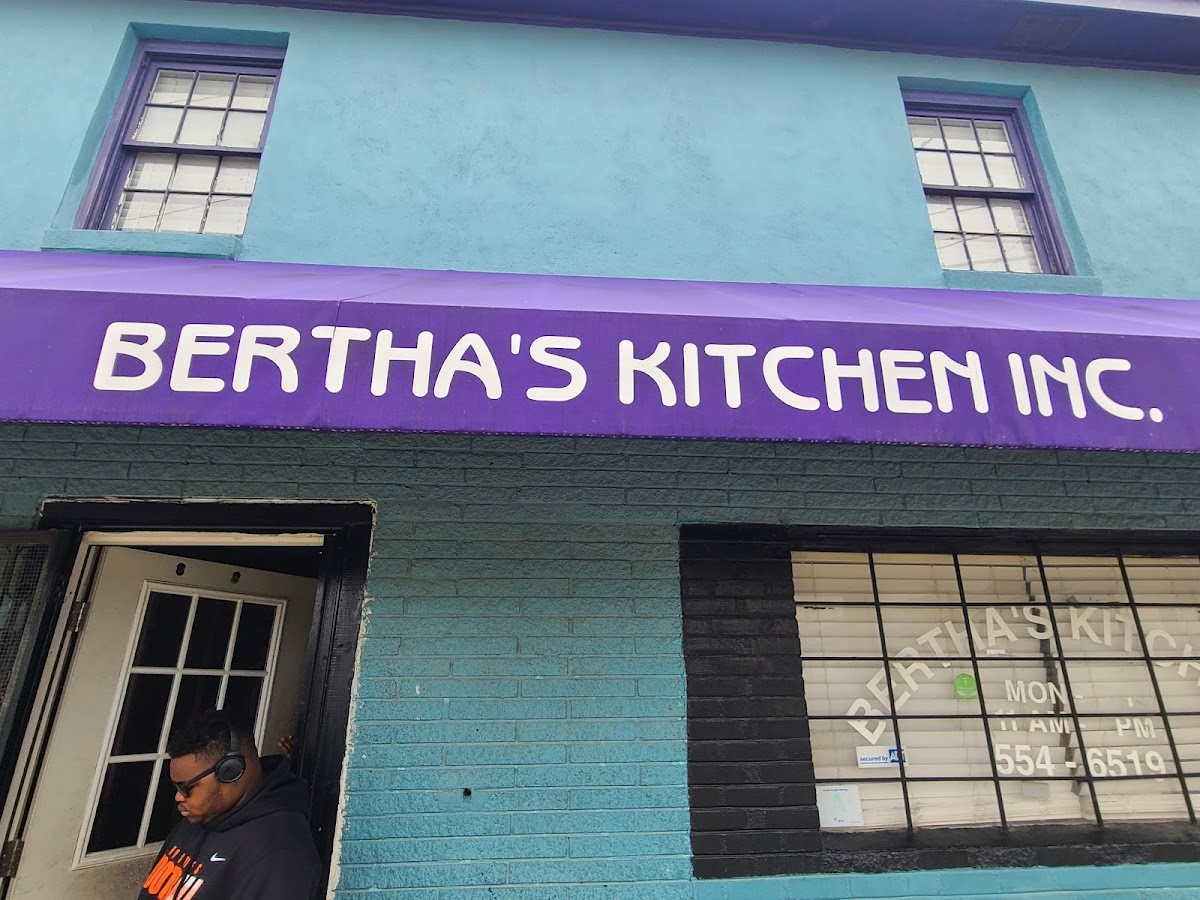
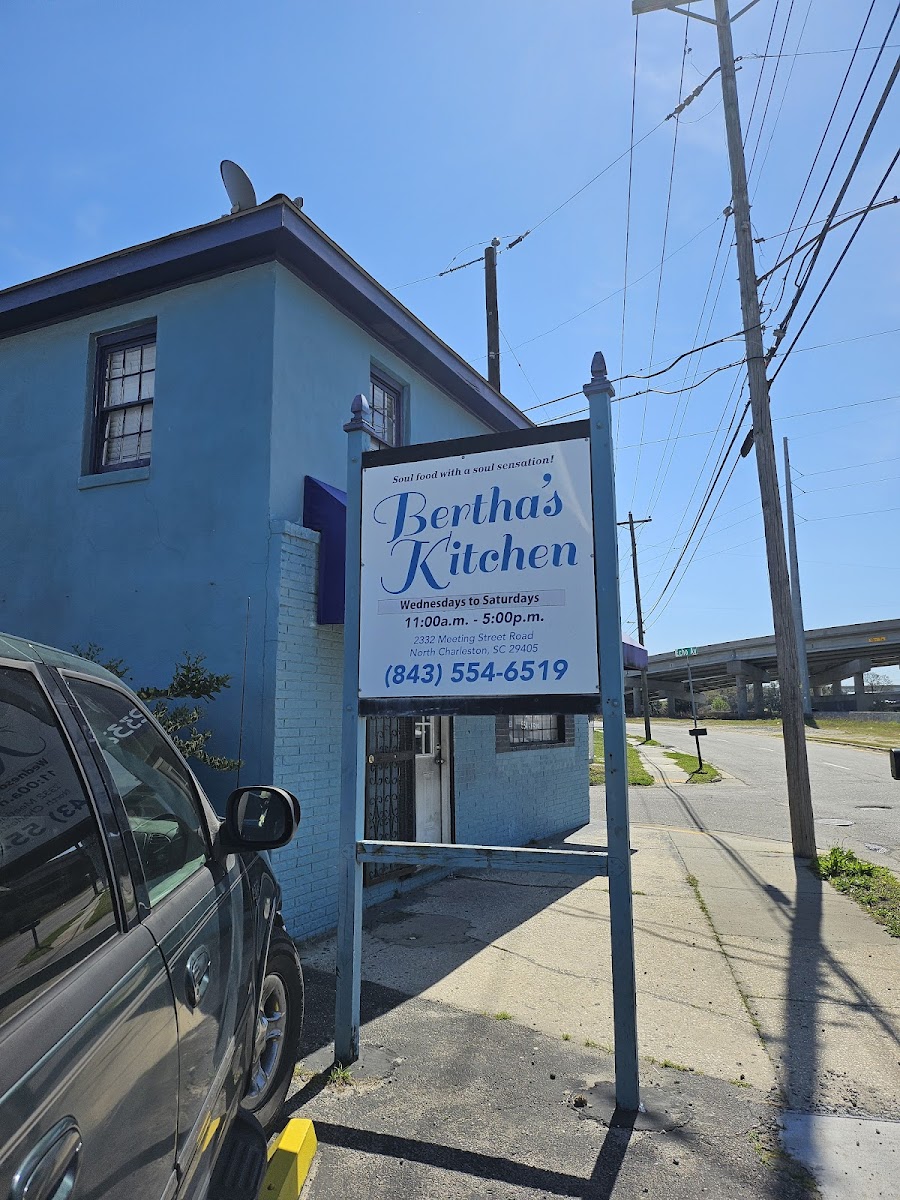
Walking into Bertha's Kitchen at 2332 Meeting Street Rd, North Charleston, SC 29405, United States feels like stepping into a place where time slows down and food takes center stage. The line often stretches toward the door, and that’s usually the first sign you’re in the right spot. I remember my first visit on a humid afternoon, following a local friend’s advice. He said, bolded come hungry and bolded don’t rush, and both turned out to be solid guidance.
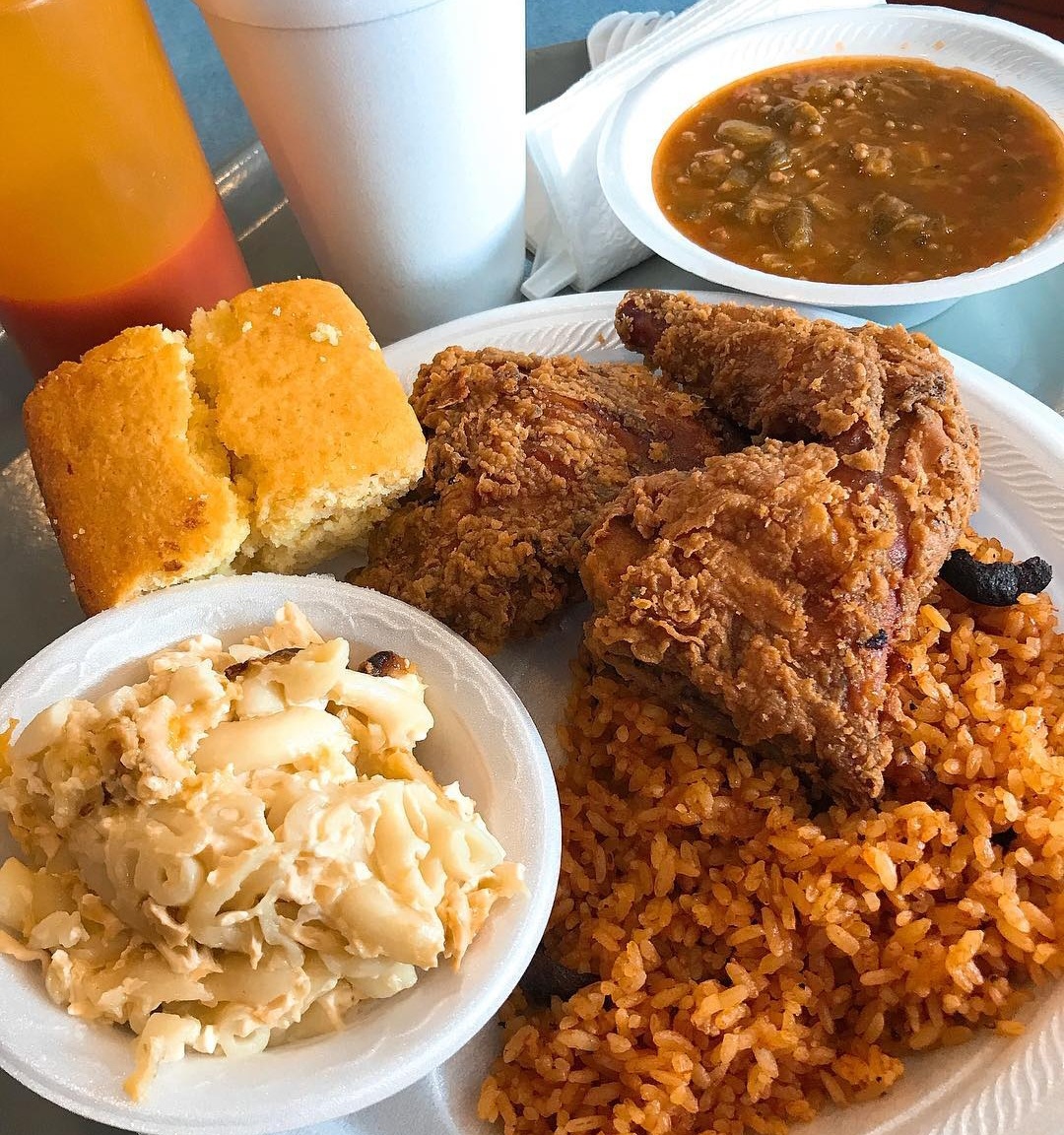
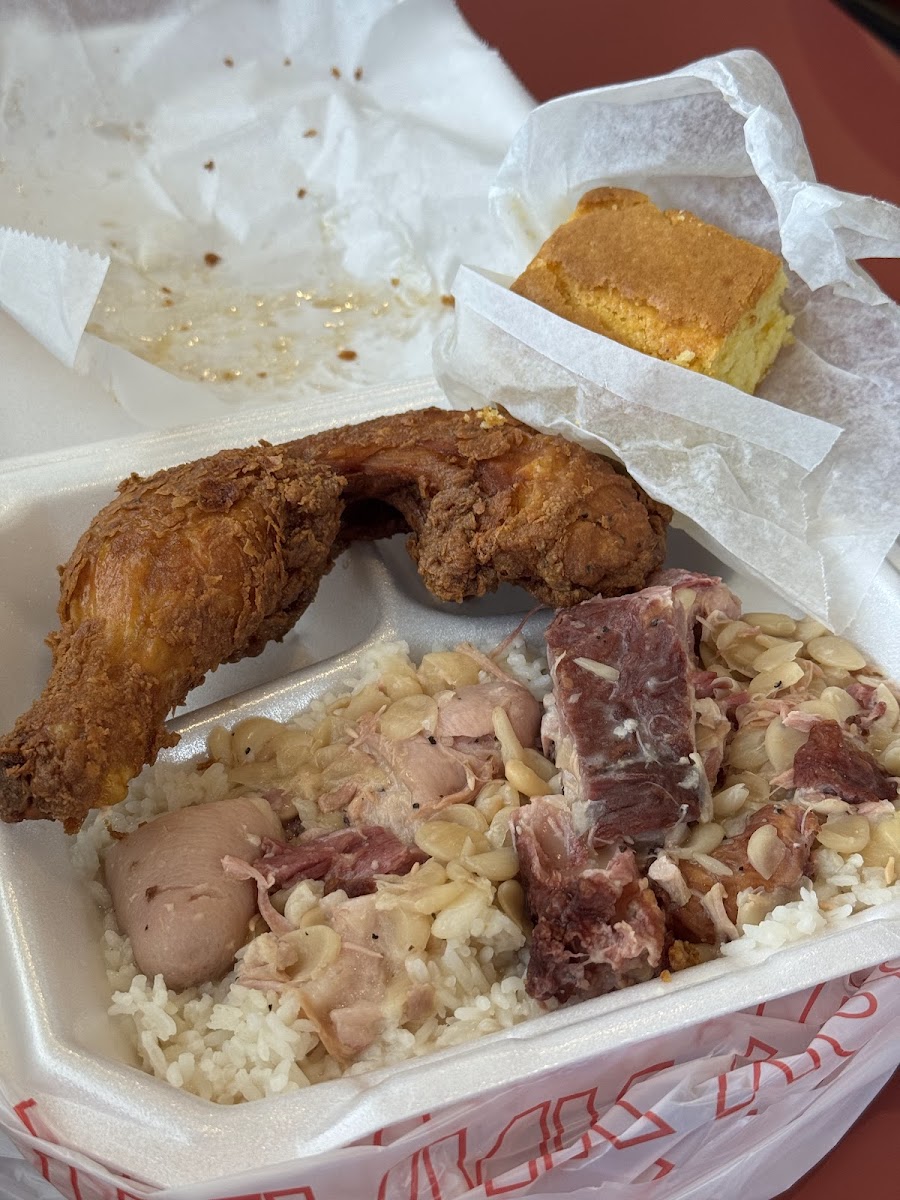
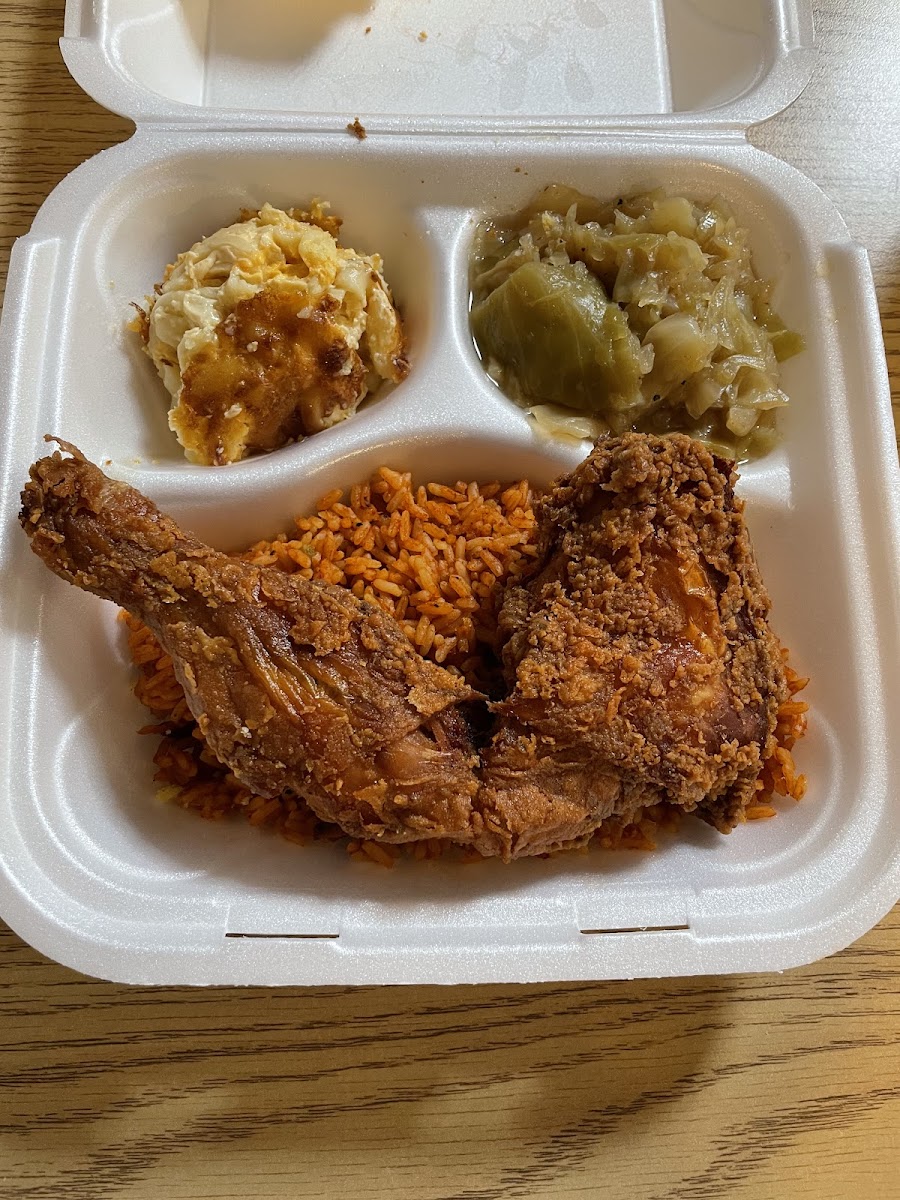
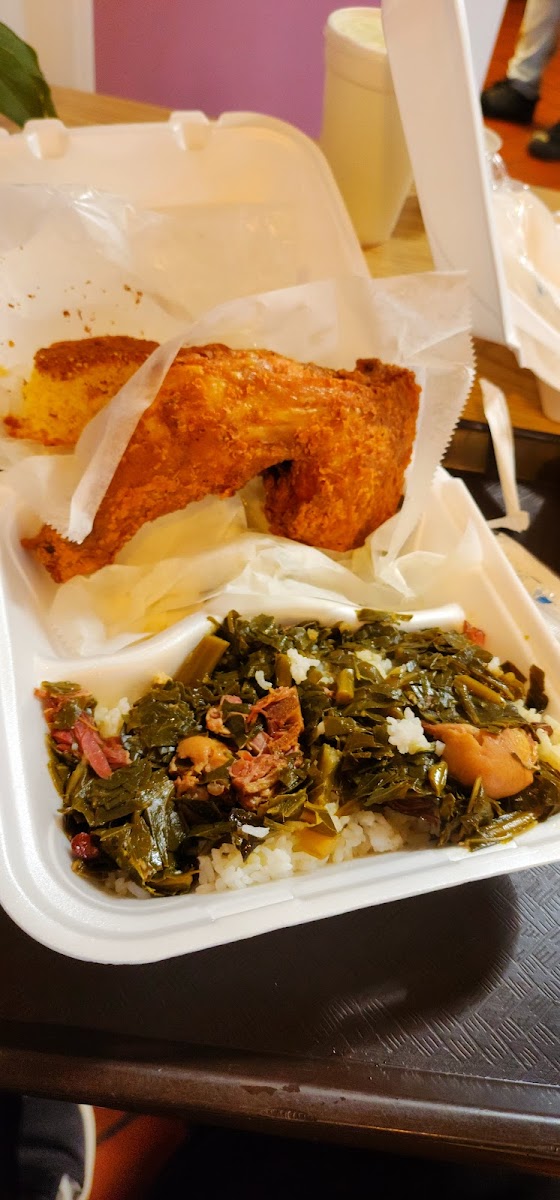
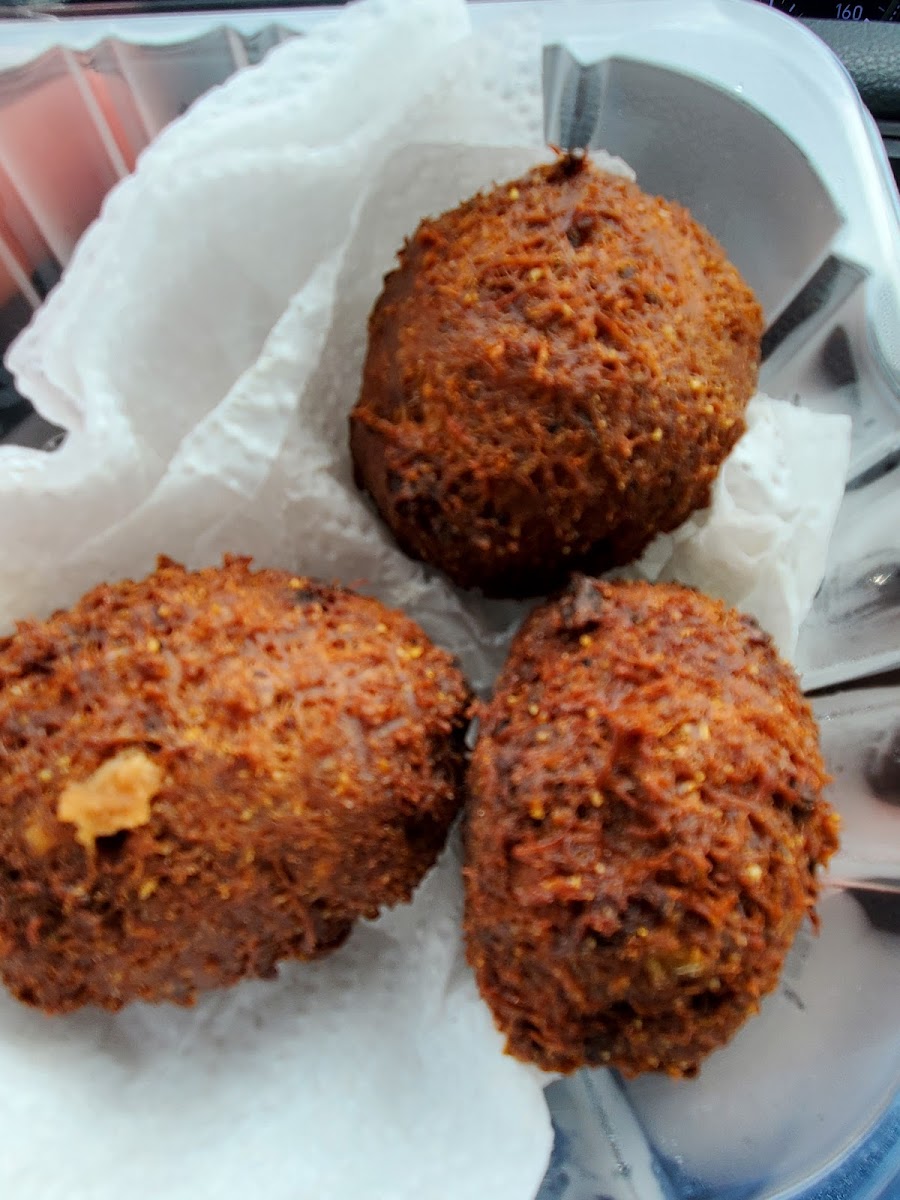
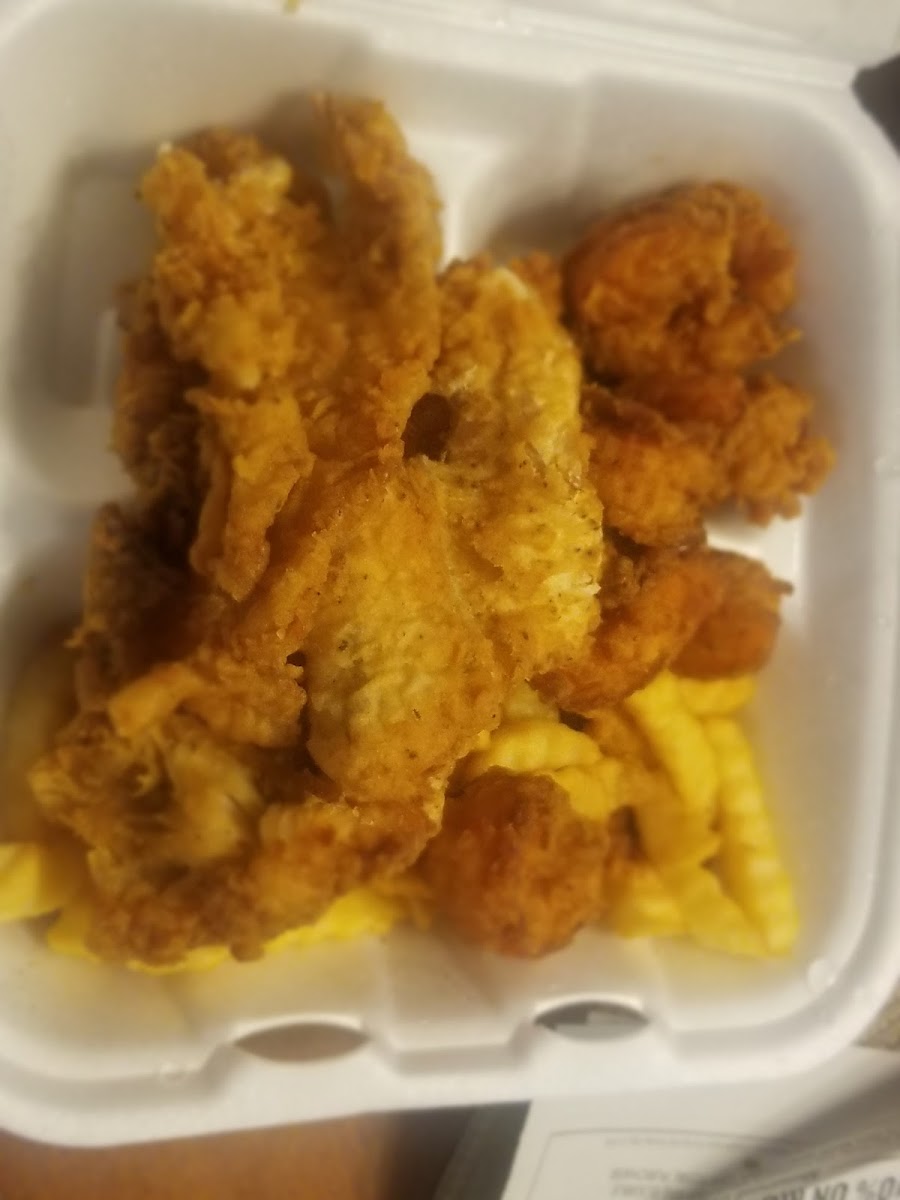
The menu reads like a greatest-hits list of classic Southern cooking. Fried chicken, lima beans, mac and cheese, okra soup, and cornbread show up daily, rotating alongside seasonal dishes. Watching the kitchen work is part of the experience. Orders are called out, trays move fast, and nothing feels mass-produced. The fried chicken, for example, is seasoned hours ahead, dredged by hand, and cooked in small batches. That process matters. According to food science research from the USDA, resting seasoned poultry before frying allows salt to penetrate deeper into the meat, which explains why each bite stays flavorful all the way through.
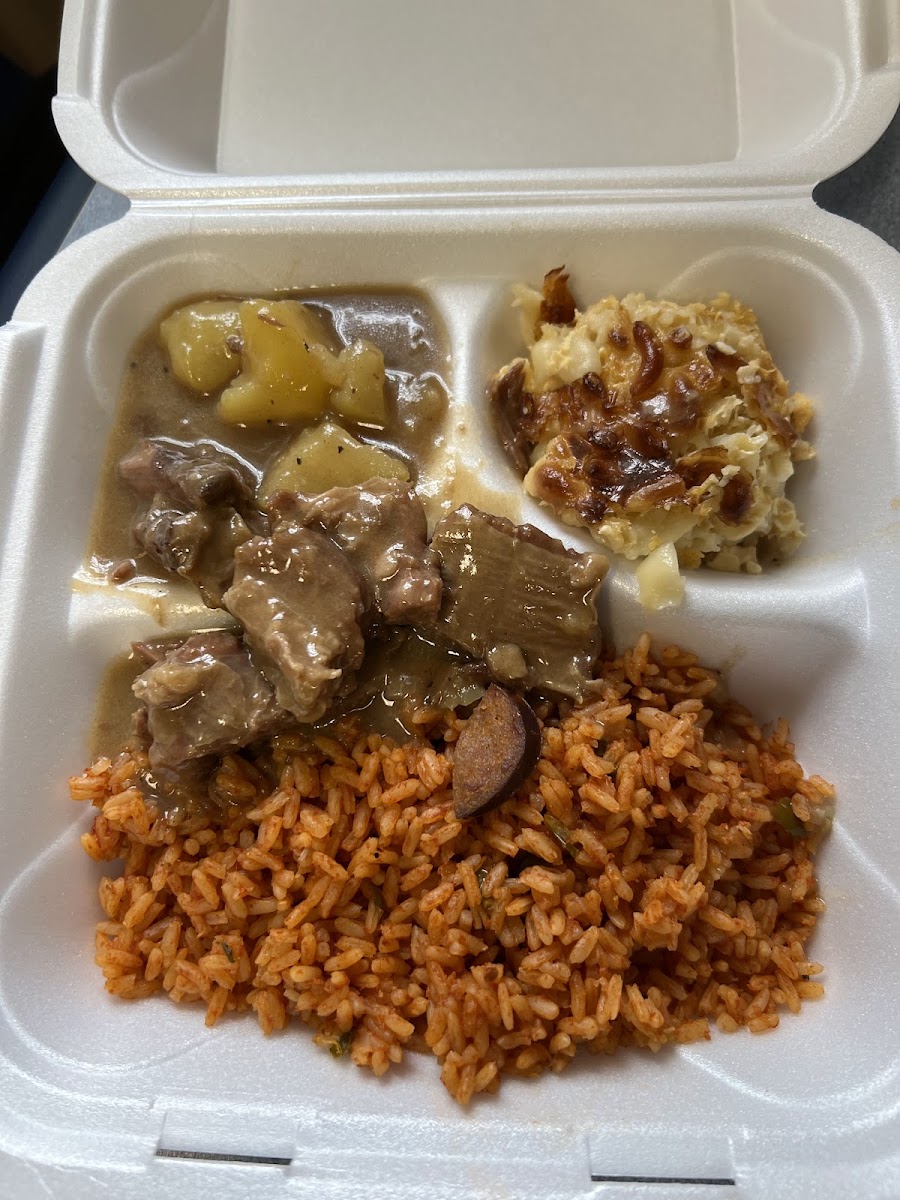
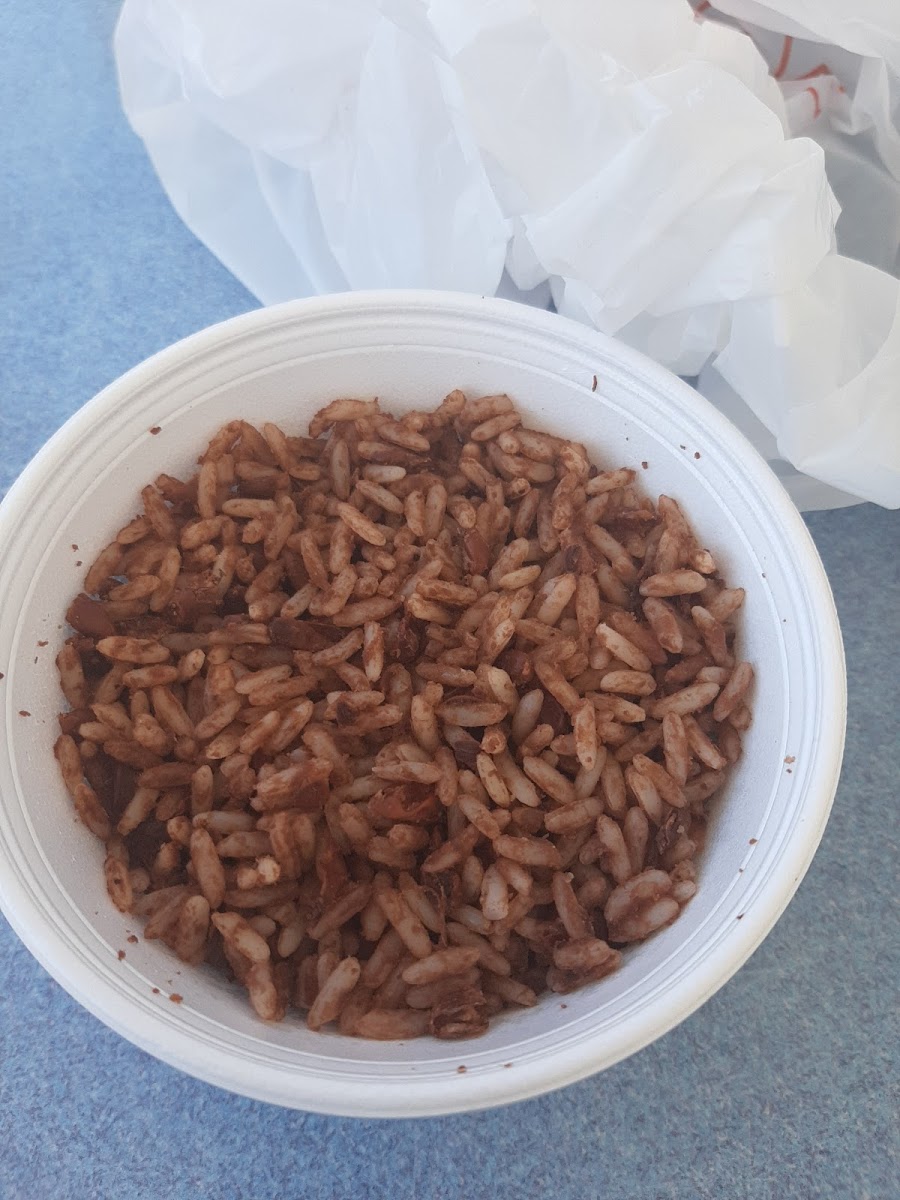
Portion sizes here are generous without being careless. One plate easily feeds two lighter eaters, and that’s not an exaggeration. On my last visit, I ordered the smothered pork chops with rice and gravy. The meat was tender enough to cut with a plastic fork, and the gravy carried a slow-simmered depth that only comes from patience. Many reviews mention that same consistency, which is rare for a busy diner. It suggests a kitchen that sticks to its methods even when the crowd gets heavy.
What really stands out is how the food connects to history. This isn’t trendy comfort food trying to look rustic. It’s rooted cooking. The recipes reflect Gullah Geechee traditions common to the Lowcountry, where dishes were built around what families could grow, preserve, and share. Culinary historians often point out that these foodways shaped modern Southern cuisine, and places like this keep that knowledge alive in everyday practice rather than textbooks.
Service matches the food’s personality. It’s direct, friendly, and efficient. First-timers are often guided through the menu by staff who know exactly how to pace recommendations. During one visit, I watched a cashier gently suggest bolded okra soup to a hesitant customer, explaining how it balances spice and texture. The customer came back smiling, tray empty except for crumbs of cornbread. Moments like that build trust faster than any sign on the wall.
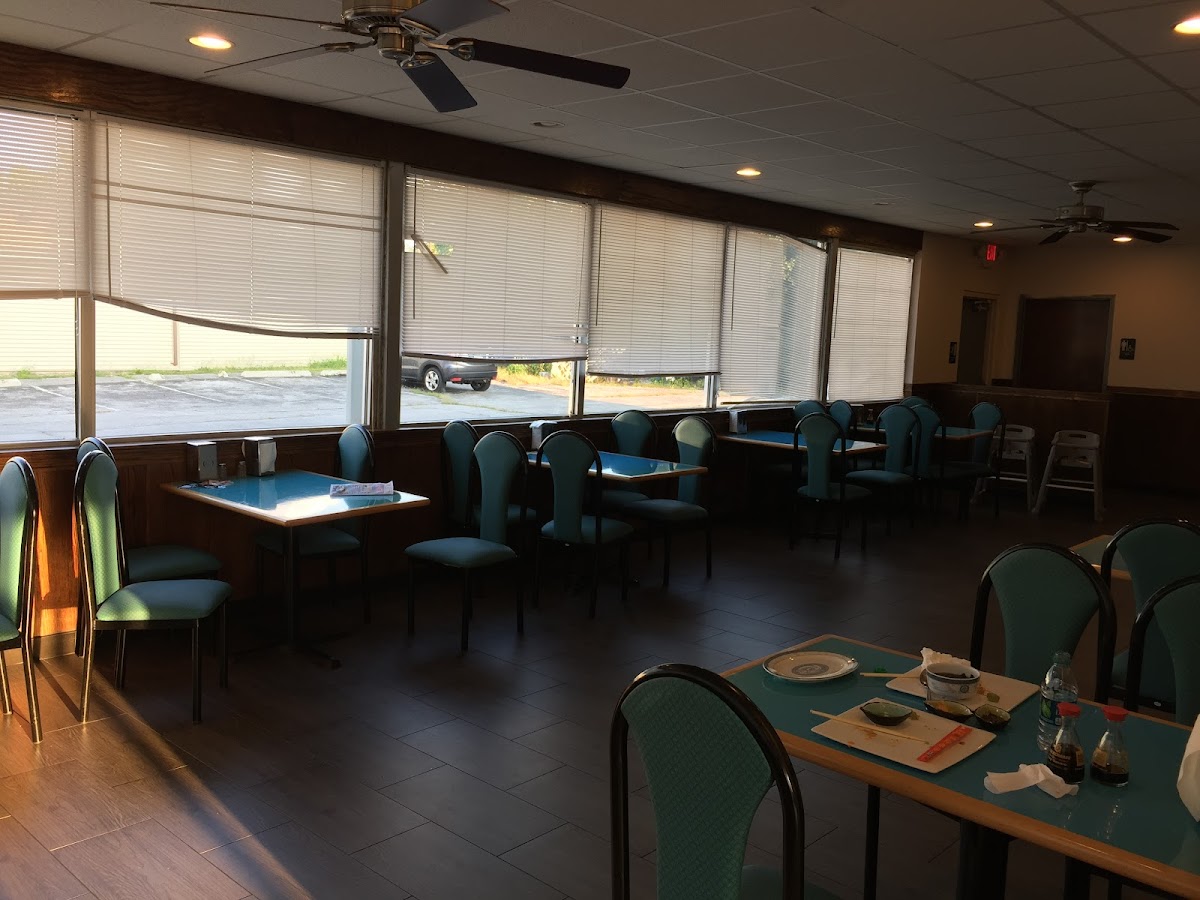
From a health and safety standpoint, the place runs tight. Open kitchens increase accountability, and studies from the CDC show that visible food prep areas often correlate with higher cleanliness standards. While no restaurant is perfect, there’s a clear effort here to maintain order despite the volume. The only limitation worth noting is seating. At peak hours, tables are scarce, and takeout becomes the smarter option.
Locations like this don’t rely on flashy décor or social media hype. They survive on repeat customers and word-of-mouth reviews, many from people who have been eating here for decades. That kind of loyalty doesn’t happen by accident. It comes from showing up every day, cooking the same way, and letting the food speak for itself.